
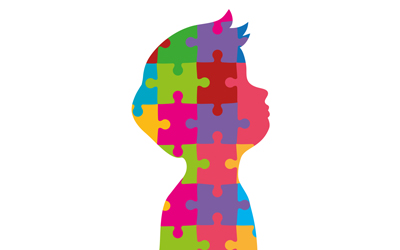
World Autism Month
Did you know that April is World Autism Month? As we near the end of this month, we continue to focus on raising awareness and promoting the acceptance and inclusion of the wonderfully neurodiverse.
Compared to years past, thankfully, now people speak about autism more openly, which can only lead to a better understanding society-wide. The more we talk and share, the wider the scope of services for people with autism will become.
When parents receive a neurodiverse diagnosis for their child, understandably they concentrate on doing everything they can to support their child, from educating themselves to finding specialist help to set their child up for success.
What often gets pushed to the side is the mental health of the parents. Many parents feel too guilty to put themselves first, even every now and then. It almost goes against our nature. However, it makes sense if we think of it in terms of the age-old adage of putting the oxygen mask on yourself before your children, while flying, because you would be no help to them if you passed out.
Considering the Parents of Children with Neurodiversity
Today, I will focus on the benefits of counselling for parents of children with autism and other neurodiverse diagnoses:
Emotional Support
You need a safe space to process your initial emotions and stress in relation to your child’s diagnosis.
Grief and Loss
Many people associate grief only with the passing of a loved one. However, grief relates to all aspects of our lives in which loss is felt. Counselling can help you work through any grief you may be experiencing, such as the loss of expected milestones or a so-called “typical” childhood. While there is certainly much hope and joy to be found, upon diagnosis, grief can take centre stage.
Understanding
A counsellor can help you to understand autism and how the diagnosis may affect your child and the overall family. What does the future look like going forward for your child, for you and for the rest of your family?
Coping Strategies
To be your child’s greatest champion, you need to learn to manage your own stress and anxiety in constructive ways. Making self-care a priority, both physically and mentally, is key.
Communication Skills
Counselling can assist you in developing important communication skills to interact with your neurodiverse child. Good communication can bolster the relationship between you and your child and give you the confidence to support his/her needs.
Advocacy and Support
As a counsellor, one of my aims is to empower you to advocate for your child’s needs, while navigating the educational and health-care systems.
Sibling Support
While the focus of this article is parents and their needs, we cannot forget about the rest of the family, especially siblings. Counselling is also beneficial in addressing the needs of any other children you may have while helping them to understand and cope with having a sibling on the spectrum.